Starting the year with serenity

I always feel the December holidays are hibernation and a time for slowing down. I hit against it every year but this year was more resigning to it. However, 2017 has begun and already a week passed, time stops for no one.

It hasn’t been the best of starts to the year for one reason and another. Some trivial and some profound. Yet I am hopefully 2017 will be a good year.

Today the rain outside is relentless and as we drove to school this morning the eldest said it still felt dark. Here it is a gloomy dismal day and it though it doesn’t totally reflect my mood, there is a stillness needed.

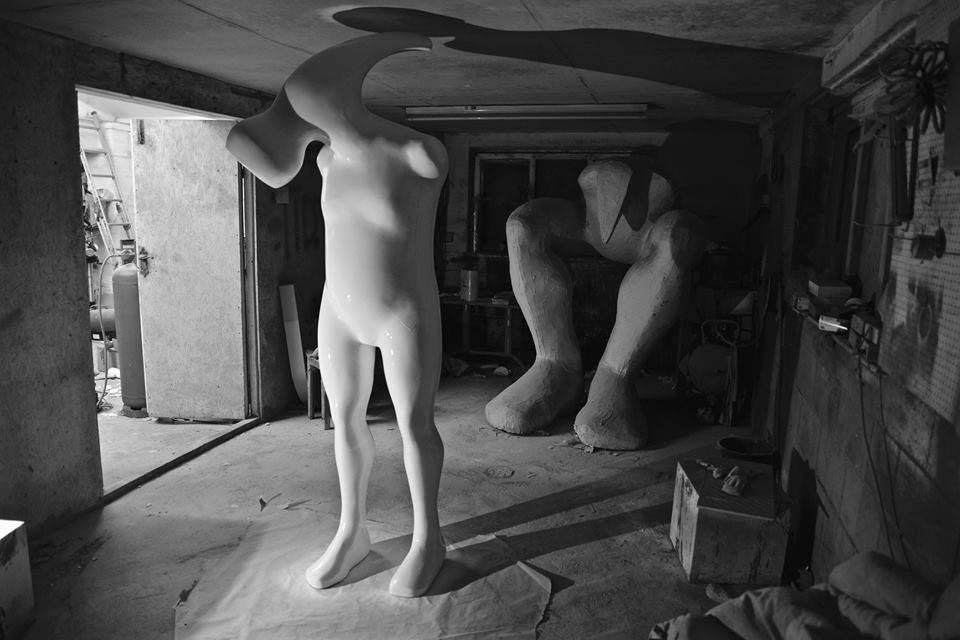
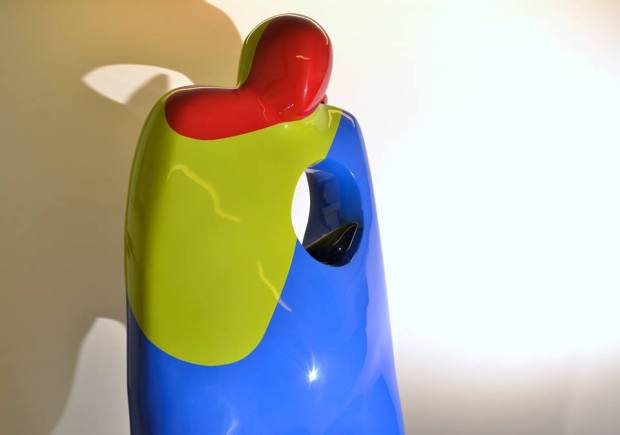
So I post some stunning images in black and white, sombre and shadows and think about serenity.

God, grant me the serenity to accept the things I cannot change,
Courage to change the things I can,
And wisdom to know the difference.

Living one day at a time,
Enjoying one moment at a time,
Accepting hardship as a pathway to peace,

Karl Paul Reinhold Niebuhr

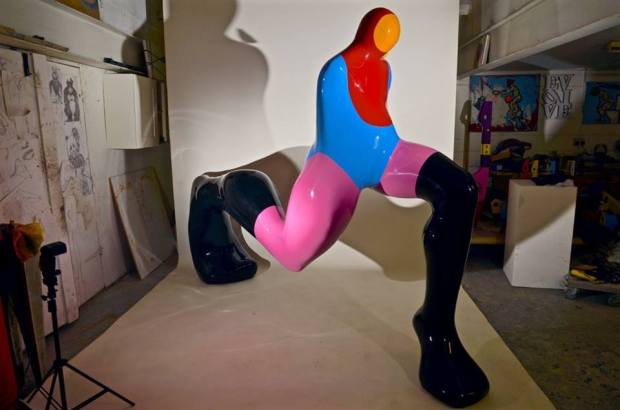
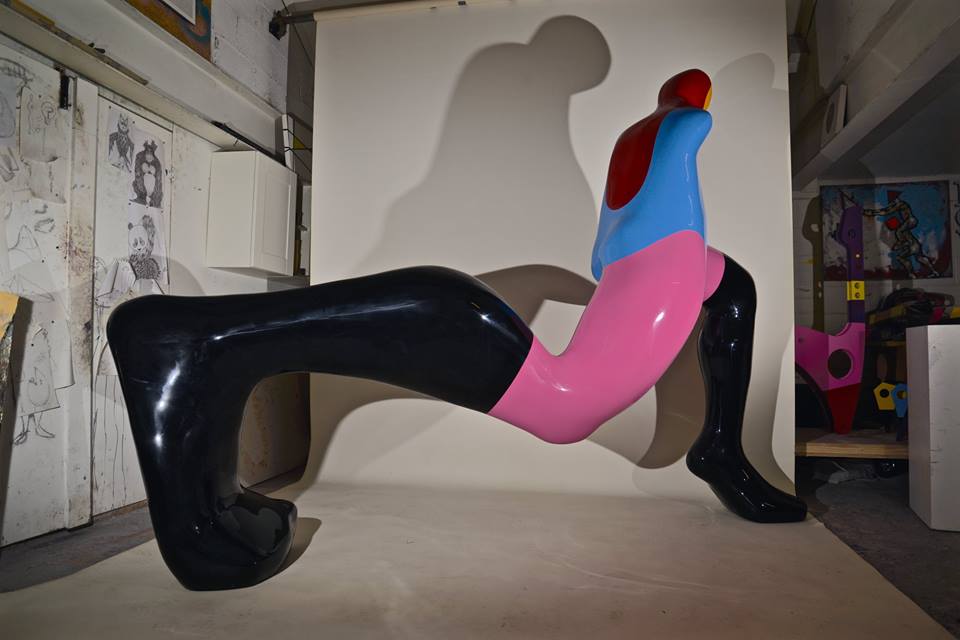
black-and-white-sculptures-2
‘Hammer head’ in progress at the studio (2016)

photo-f-sam-and-hammer-head

Boys, Barnsley and beyond.

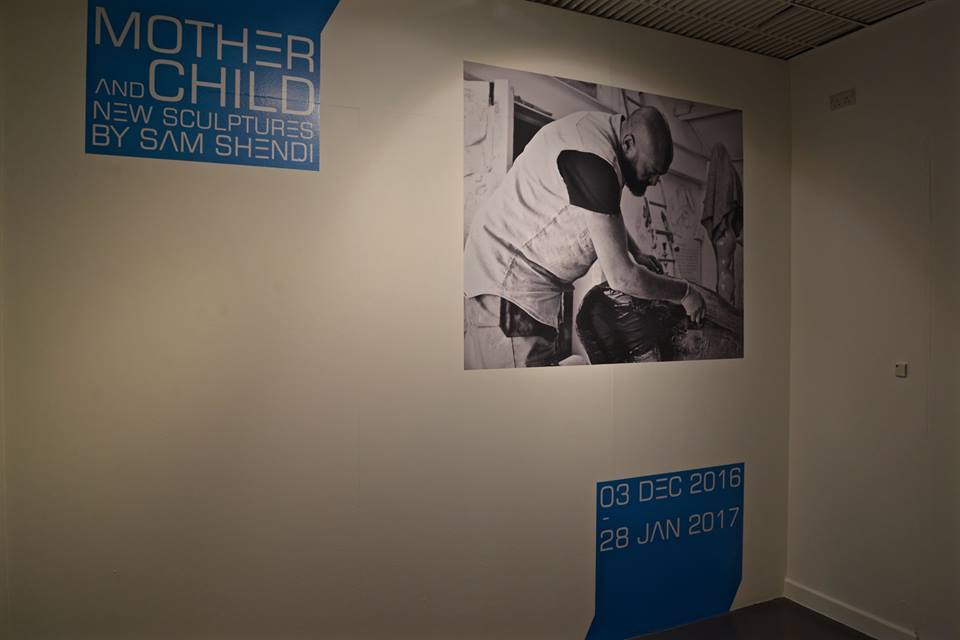
Friday afternoon I took the boys out of school and headed down to Barnsley, it was busy on the roads but according to my phone we were in good time. The boys had snacks in the back but my youngest wasn’t happy with egg sandwiches as they would make him smell he grumbled. This is the boy who eats enough eggs to warrant me having a chicken farm. My eldest pointed out the sign for Barnsley but ‘no’ I said with trusty faith in my technology, we were coming off at the next junction. So we finally came off the motorway and  into some traffic works and something didn’t feel quite right. So I pulled in at a garage and looked at my phone. Somehow, and I have no idea how this happened I was heading to the wrong postcode. Fortunately still in the Barnsley area but I had over shot and we were much further south than we needed to be. So I had to turnaround and head back 20 min north with only 5 minutes until opening time. My eldest who usually joins in with my panic with sound effects was surprisingly ultra supportive in my panic. Reminding me that it was all ok, that we were all ok and we would still get there. That everything was going to be alright. It was a good little test for me. I knew we didn’t need to get there at 4pm on the dot but I do like to get to places on time and it was frustrating. Trying to keep calm I reminded myself to think that for whatever reason we had been sent on a little extended tour getting frazzled wasn’t going to help. It was getting darker, and busier driving into the one way system of the town centre so my tension did increase a little. We found parking easily enough and found the gallery. Only 15 min late.phew and not overly stressed. So by the time I walked in I really needed a moment to compose myself as I then faced this:
exhibition-enterence


film-exhibit

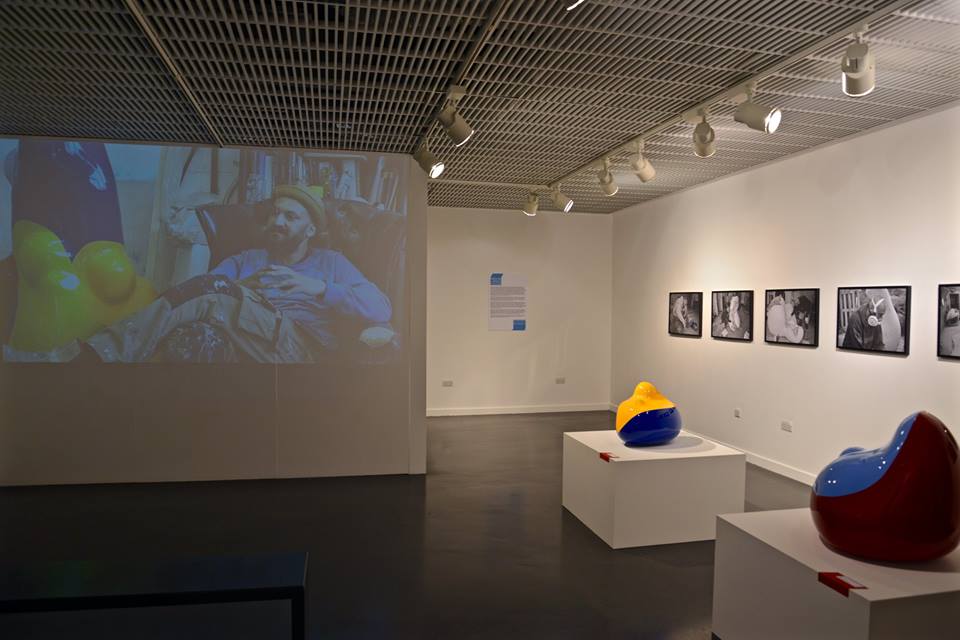
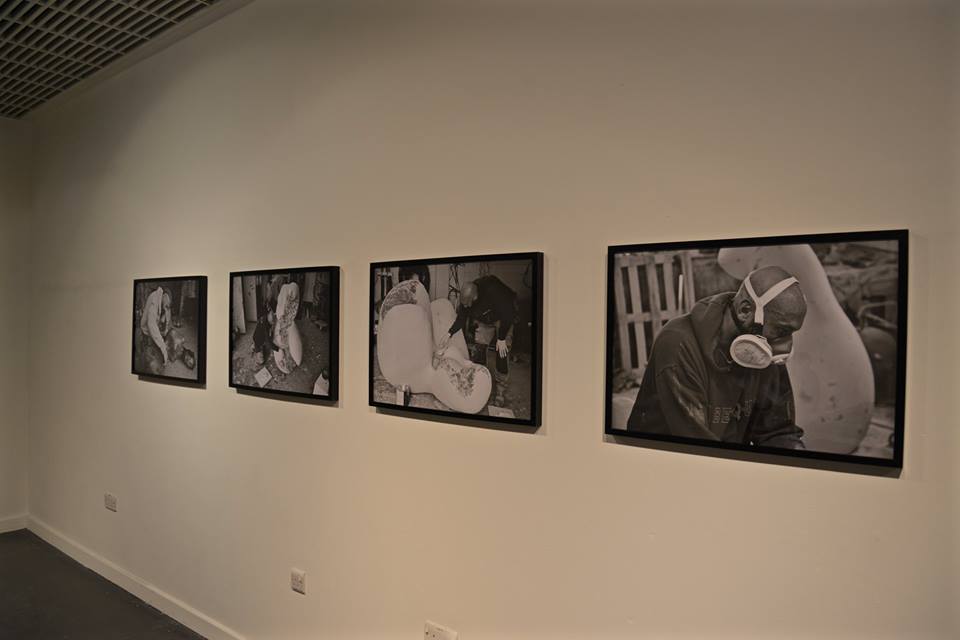
It was amazing to see the projection of the video, the black and white photos of the process, and into a space with all 10 glorious sculptures together, with clean white walls and fantastic lighting to set them off. The boys took pictures and their sketchbook around, our youngest a little more keen than the eldest unusually so. The eldest appearing to showing small signs of transforming into a little teenager.

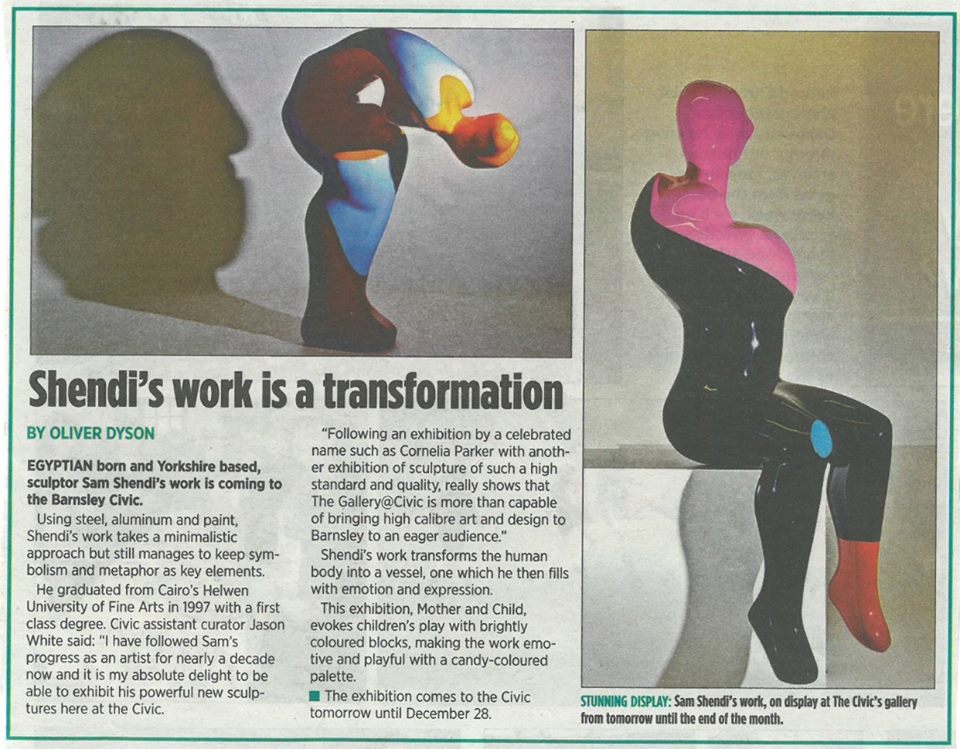
There were just enough people there for the private view to make it intimate and for us to talk to the people who had made the effort to come along. The Civic has some lovely interactive activities for children if you can make it whilst the show is running. We have already seen a few more press articles and photographs which are stunning, more of which you can see on The Sculptor’s Wife Facebook page. or this one below is good, if you have managed to stay off the world of Facebook.

press

I love the idea of transformation. We all have the ability to change. I think winter is the time to prepare for transformation. This morning the scenery on my way to the shop was stunning. The trees in their bare winter glory stood like silhouettes against a hazy, sleepy, wintry landscape of greys and blues with a bright sun lighting up the valley making it twinkle. The land retreats into a cold crisp coating. We can retreat to contemplate the year past and marinate in stillness on how we deal with things in the moment. So, we can be calmer and focused in those times of stress and panic be it small or big, when you get lost on the road or in life. Using that stillness to have the ability to see beyond the discomfort of the moment and know that ultimately everything is going to be alright.

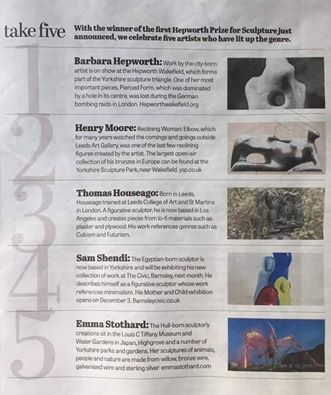
Take Five, ‘artists who have lit up the genre’. How one got there.

black-and-white-photo-exhibi
The gallery, The Civic, Mother and Child by Sam Shendi

It’s about 14 years since I met ‘the sculptor’ and although when I met him he wasn’t practising very much, he did an occasional clay sculpture but he was painting and drawing all the time, as that is what his space limited him to. Over the years as we increased our space his practice developed along with it. We had a fantastic attic flat for a year where lots of clay maquettes were made. When we bought our first house they survived the move and were all sat on a folding dining room table until one night we heard a crash and the table had collapsed along with probably 50 or so clay sculptures.

Just after I had our first child I was sat in the living room and the midwife came to visit,  3 clay heads lined up on the floor and she pointed to them and said that will have to stop. I never really understood what she meant. I was in the fog of being a new mum. I hope she meant that we would have to stop putting them on the floor and that she didn’t mean to stop the practice.

We did stop putting them on the floor but the studio then was a tiny shed in our yard until about perhaps 4 years ago – I’ve lost count, when we finally got a studio space and this was pivotal in the development of his work.

In January I will have been online with this blog for 6 years and this is my 250th post. And in this time we have come so far. On Saturday in the weekend Yorkshire post, we were so excited to see this:

take-5
Saturday 26th November, Yorkshire Post Magazine


To be listed alongside Barbara Hepworth and Henry Moore is a dream come true. We are lucky in Yorkshire to have had these two greats among our history, heritage and it is quite almost unbelievable to be seeing ‘the sculptor’s’ name in a top 5 list with them. From my point of view, it is so deserving and so true.

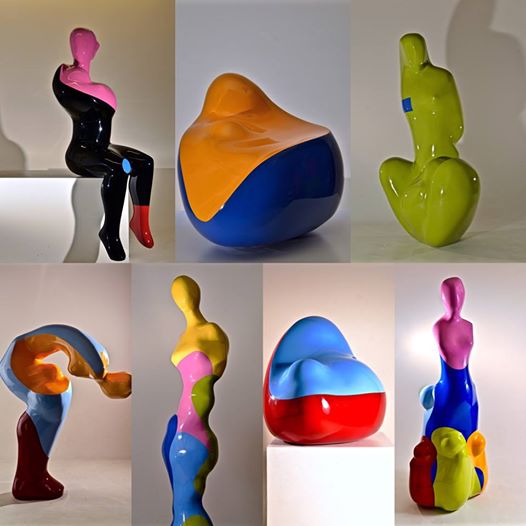
It is great publicity for our other achievement, a solo show opening at The Civic in Barnsley. Yesterday my husband and the team at the gallery set up and it’s all ready for the private view on Friday evening and the show runs until January 28th 2017. The photos he took of the set up look stunning. The exhibition is entitled Mother and Child and it was interesting looking back and my first three blog entries all of mother and child pieces. Mother and Child is an endless subject and timeless. This exhibition at The Civic is very much about storytelling.

mother-and-child-collection

‘The colour blue is prevalent throughout the collection, and is used in a way that it respectfully represents the struggles which go with motherhood; the depression, the sleepless nights, the fear of losing the child, the back pain, the swollen feet, the pain of giving birth and going beyond one’s own comfort, the sacrifice.

It seems ironic that the journey we have taken in developing the sculptor’s success into the art world mirrors my own journey as a mother. When I look at these pieces they are monuments of the last 10 years of motherhood for me. But they are everyone. They will touch and impact on anyone who sees them. They are a reminder of the truth, motherhood is one of the greatest and unrecognised and often under appreciated roles on earth.

If you are in Yorkshire anytime from  3rd to January 28th I would recommend a visit to The Civic. Open Tuesday -Saturday, 10am- 5pm.

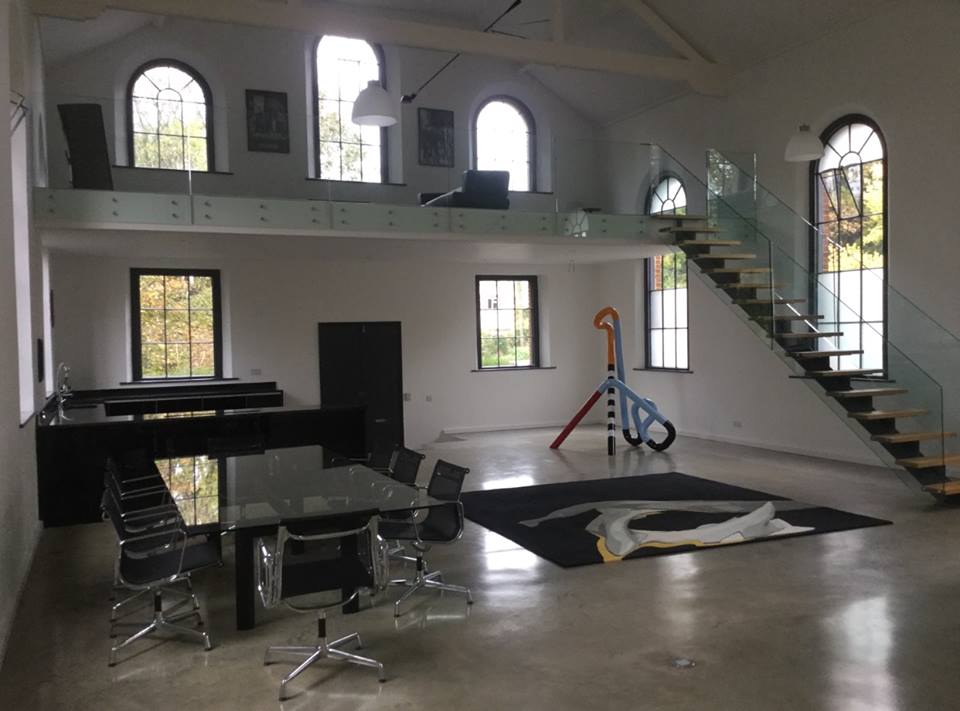
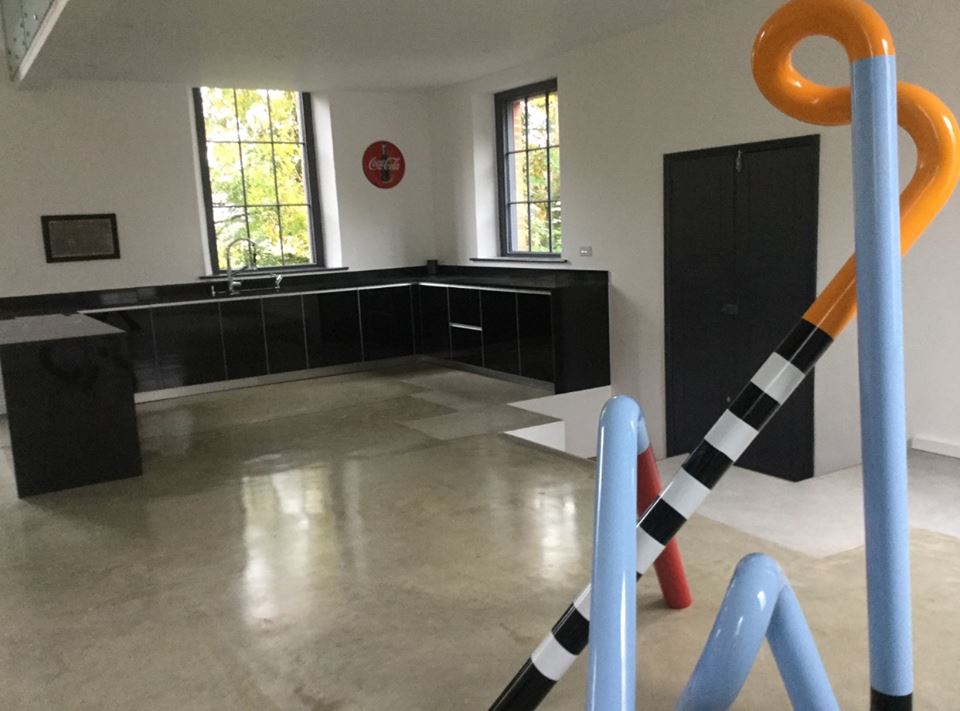
Body Language in its new home

body-lang-2-home

wbody-lan-at-home

It is quite wonderful to see a sculpture on a journey, from material to making, exhibition and then to rest with someone purchasing it for their new home. We don’t often get to see where a piece will end up and the surroundings it is finally situated in. So it is a rare treat to see this piece in situ.

We don’t often know where we will end up, where we are going or what is to come. We can spend time and energy thinking and worrying about that and I have done my fair share of that. However, I’m putting into practise the mindfulness of being in the moment, the here and now. Actually this focus takes away any future thought. I become more aware of how cold my fingers are as I type and how the rhythmic dancing of the tapping on the keys warms them up a little. Sitting in the shop with my blanket wrapped around me to stay as warm as I can, I look out on to the wet drizzle and white sky. I feel as a family the need for hibernation. The boys are tired, not great fans of the outdoors in this wintry, with their Egyptian blood running through their veins. The sculptor is exhausted from non stop working. I like this time of year for slowing down, reflection and introspection, I like to think for more reading and writing yet I am feeling slow to respond to that inclination. It will come. It is what it is. Nothing happens ahead of its time.

‘Big step’, towards…

big-step-forward
‘Big Step’ 2016 Sam Shendi

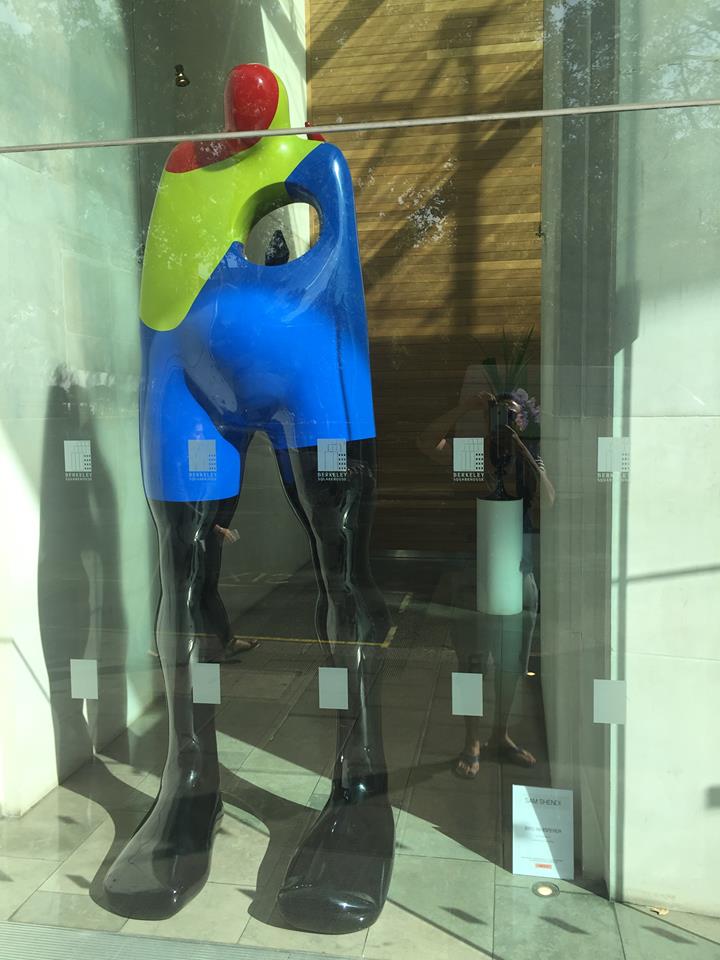
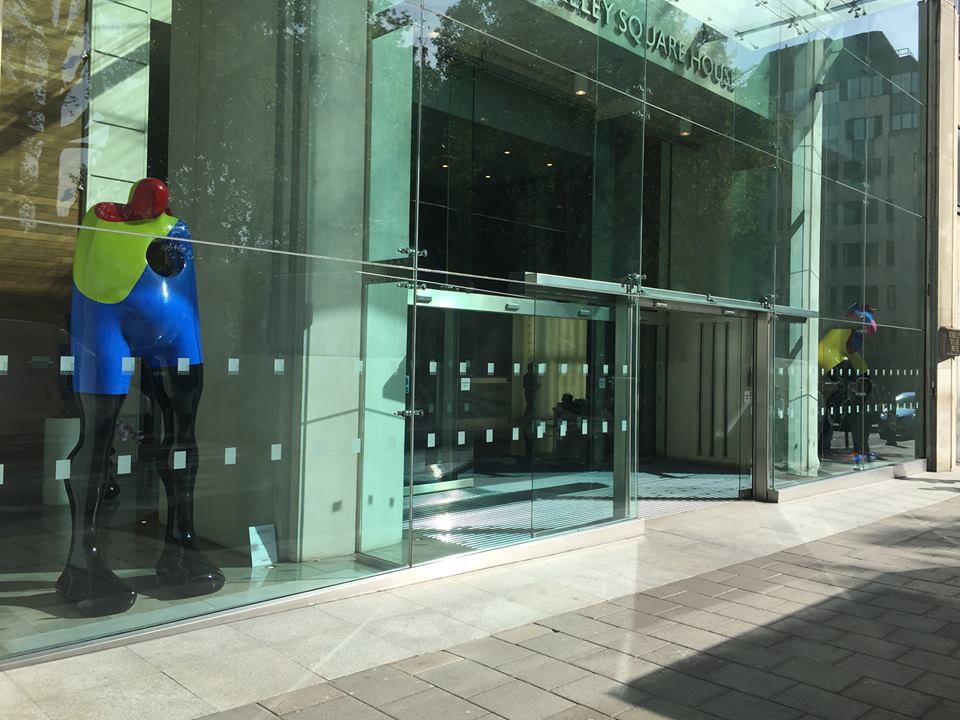
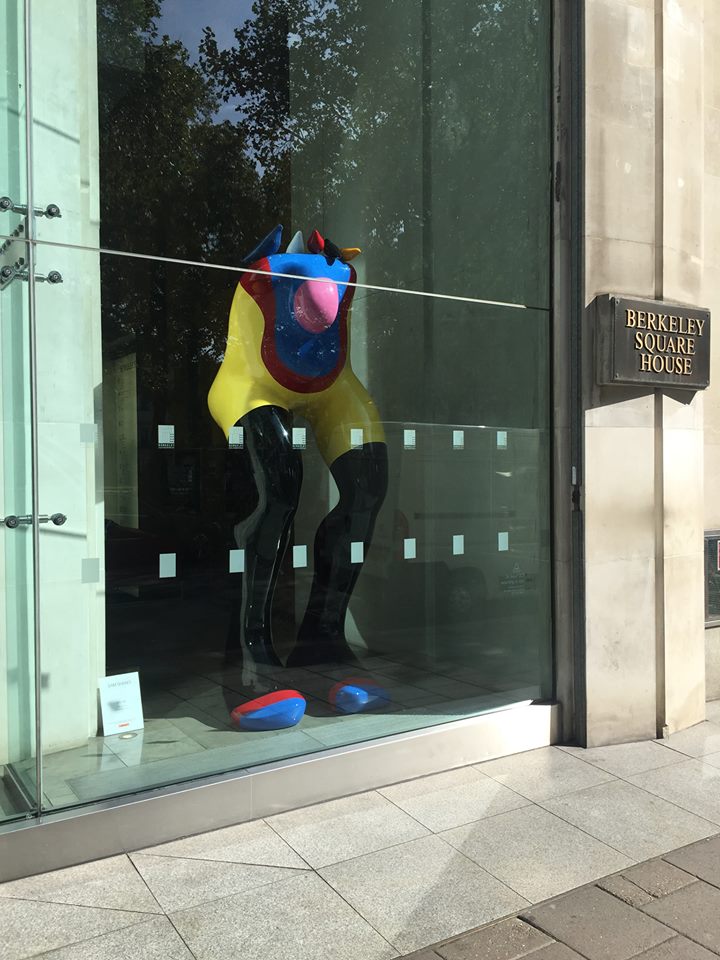
This is the latest piece in the Giant Collection which I wrote about in an earlier post, the other two now stand proudly in Berkeley square house, London. Yesterday this piece, with much relief just about fitted into the hired van and went down to London with the sculptor and his right hand man. It is to be exhibited this week in Flux exhibition which was covered in FAD magazine. ( which you can see in the link). Anyway, enough of the promotion.

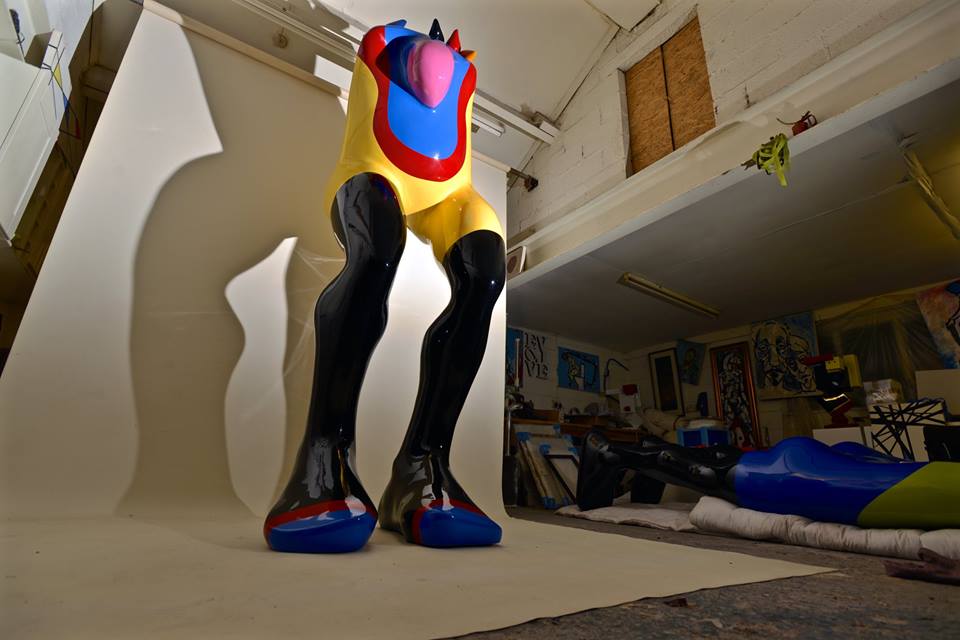
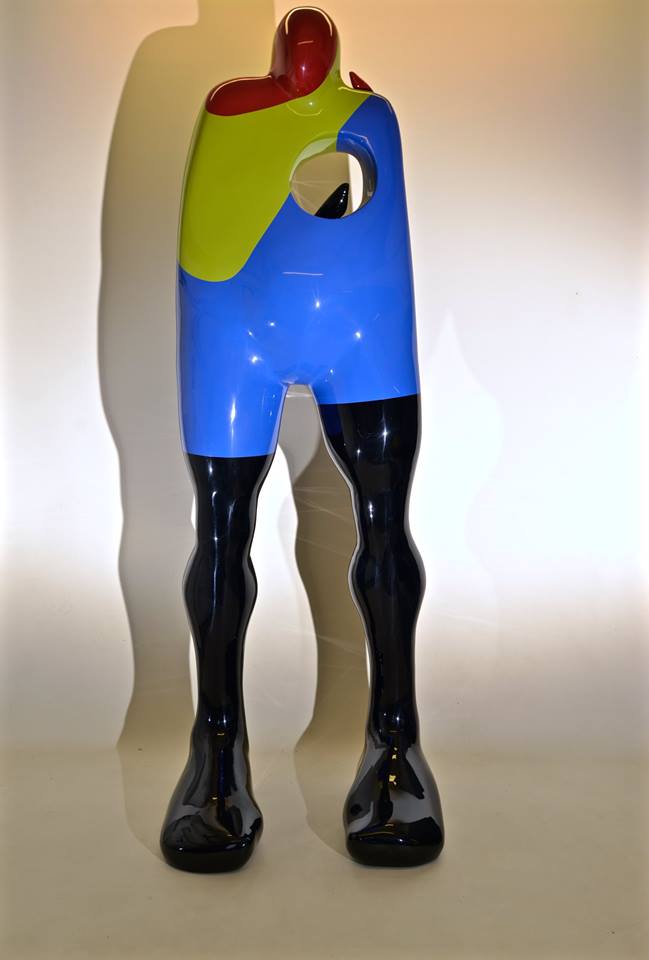
The Giant collection looks at stages in mental depression. Despite class or education most people all share a high level of knowledge and depth of thought. Looking through the history of art, some of the best art has been produced at a time of depression that the artist went through. The “Giant” collection speaks of three periods of depression which resulted in three sculptures presenting, the beginning with the silent period (Bird whisperer) and the middle period when every small thing becomes a heavy weight on your shoulders (Atlas). Lastly, the break through when the person comes out through the other side (Big Step).   This collection is brightly coloured even though its portraying a dark period. Some of us agree that the period of depression is a period of realisation and self discovery. Sometimes we need that grappling with ourselves to become enlightened.

big-step-with-sculptor

I like this photo above because of the shadows, which play an important role in my husbands work. With himself in the picture we can see the scale of this work but also his shadow is cast within the shadow of the sculptor, as though the sculptor is within his sculpture.

When asked how he created his masterpiece, Michelangelo said, “It was easy. You just chip away that which does not look like David.” I think my husband works in this same way. He sees the sculpture within the material.

Whilst my husband is focusing on the art of creating art. I have been looking into the art of tidying and de-cluttering in order to make more space within the space of our home. One of my discoveries was Maura, who uses the Michelangelo quote and goes on to say. “What if our lives are our masterpiece? What if we chipped away all that was unnecessary, all the clutter and the busyness, and focused on that which really mattered – our passions and our relationships.”

A few months ago I read Marie Kondo’s book The art of tidying which prompted me to start with clothing and thinking about what ‘Spark’s joy’. But now I am more in a state of purging, of de-cluttering and de-owning things that really don’t serve any purpose. It’s an interesting battle as I look at a shelf and think I want that to be empty and free, that’s easy. It’s hard when you first look at something and somehow it has memories and attachments for what ever reason. However, It is so liberating though when it works. In my kitchen, I got rid of things I wasn’t using, re ordered the cupboards and have created more work surface area.  As the sculptor is now in London for a few days with the exhibition, I have boys and business and home and school to manage. Yesterday evening we came in late after Taekwando and despite being unorganised in not knowing what we were having for tea, the tidy kitchen surfaces aided my ability to create a vegan concoction (as it was world vegan day apparently). So ratatouille was rustled up and couscous and stuffed peppers, thanks to Deliciously Ella, but alas in an attempt to de-clutter the freezer I had to cook the world’s most spiciest sausages (not so vegan) for the boys just incase the veggie attempts were too scary. They had great pleasure in daring each other to eat as many pieces of sausage without drinking any water. Needless to say those sausages will not be bought again,though they did have the advantage of being in a cardboard box not plastic. This is my other consideration at the moment, as I de-clutter and then look at how much waste we produce from a household of four- a ridiculous amount! The zero waste movement seems to be the next step after de-cluttering, not sure how I will get everyone onboard with that idea!

As I delve into this strange cyber world of woman tidying up their houses, I realise and am reminded that in normal everyday conversation we rarely speak of the state of our house work. This leads me nicely to a writer in New Zealand who’s latest published piece ‘Homework‘ looks into the demands of domesticity and how perhaps we have lost the dignity in priding ourselves on how we keep our house. When people ask me what do I do, do I say home maker?

So, to my last link, of this very heavily laden linked post, and back to the sculpture: what breakthroughs are you making today? What big steps forward are you taking? At home, at work, in your art? What are you chipping away at? Keep at it. Best foot forward.

big-step-fr

The Sepia Woman – For National Poetry Day

sleepless-for-poem
Sleepless nights (2016) Sam Shendi

The Sepia Woman

I’m not an octopus, I’ve said it a thousand times

yet I often have one wrapped around me, I should have read the signs

as I’m sinking, dragging, sagging to the ocean floor.

I’m not an oyster tethered to its rock

though Cancarian I embrace a shell on my back

I chance direction from this, to that

Oh to be in the ocean blue,

blue is something I seem to do

to wear, to feel, to dream

of that independent creature swimming serene,

not on the ocean bed, scuttling

shy solitary cuttlefish,

this elegant creature with remarkable eyes

masking emotions on its rides,

blending in with the world around

spraying black ink

With its dark moods, a sombre cloud

 inky fish, this ink with which I write

and have now spilt, what a mess

I’m cross with myself but have to confess,

if it had been anyone else, how angry I’d have been

Yet, look now at what I have seen

the most beautiful free-flowing design has appeared,

So scrap all the rules and conformity

Patterns all rigid, perfection for normality

I’m messy, I’m inky, I’m free to be me

Now ink of sepia, you colour of brown

I wish you could photograph and capture my frown,

furrowed lines on my head, cross-examine

the state of the dye which has spread

blood like,

tea stained,

brown, black and blue,

used with creative spontaneity through

history,

for writing, drawing, thinking in hue,

for colours is where attraction will lay,

with colours for moods, they change, react

to any words which others say.

So I create, I move, I dance with abandon

because I’m not an oyster afraid of the sand,

with a walrus near by and a carpenter to hand,

I’m not an octopus, I’ve said it a thousand times

yet I often have one wrapped around me, I should have read the signs

I am the cuttlefish, the sepia woman

writer of verse and a poet of rhymes.

T.Shendi 2016.

adult-c-for-poem
Adult Conversation (2016) Sam Shendi


The story of Atlas

The ancient Greeks told tales of giant beings called Titans. The sculptor and I might have been cleverer to call this collection The Titans but perhaps ‘The Giant collection ‘is more straightforward. One Titan’s name was Atlas, he was the leader in a war against Zeus, the sky and thunder-god Zeus. After the defeat of the titans Zeus condemned Atlas to stand at the western edge of the earth and hold the heavens on his shoulders to prevent the earth and sky resuming their primordial embrace.


greco-roman-statue
Greco Roman Statue

There has been a misconception that Atlas carries the world on his shoulders as classical sculpture often shows Atlas holding the celestial sphere but it has been misunderstood to be a globe. Atlas therefore embodies the celestial axis and is the personification of endurance as he was a sentence to hold up the sky for eternity.


In later myth he finally turns to stone and becomes what we know now as the Atlas Mountains. Around 500 years ago Mercator made a book of maps and named it an Atlas, Keeper of the World.

In classical European architecture an, ‘atlas’ is a support sculpted in the form of a man, which takes places of a column. Named ‘Atlantes’ these express extreme effort in their function. Head is often bent forward to support the weight of the structure above them across their shoulders.

atlas-from-below-2
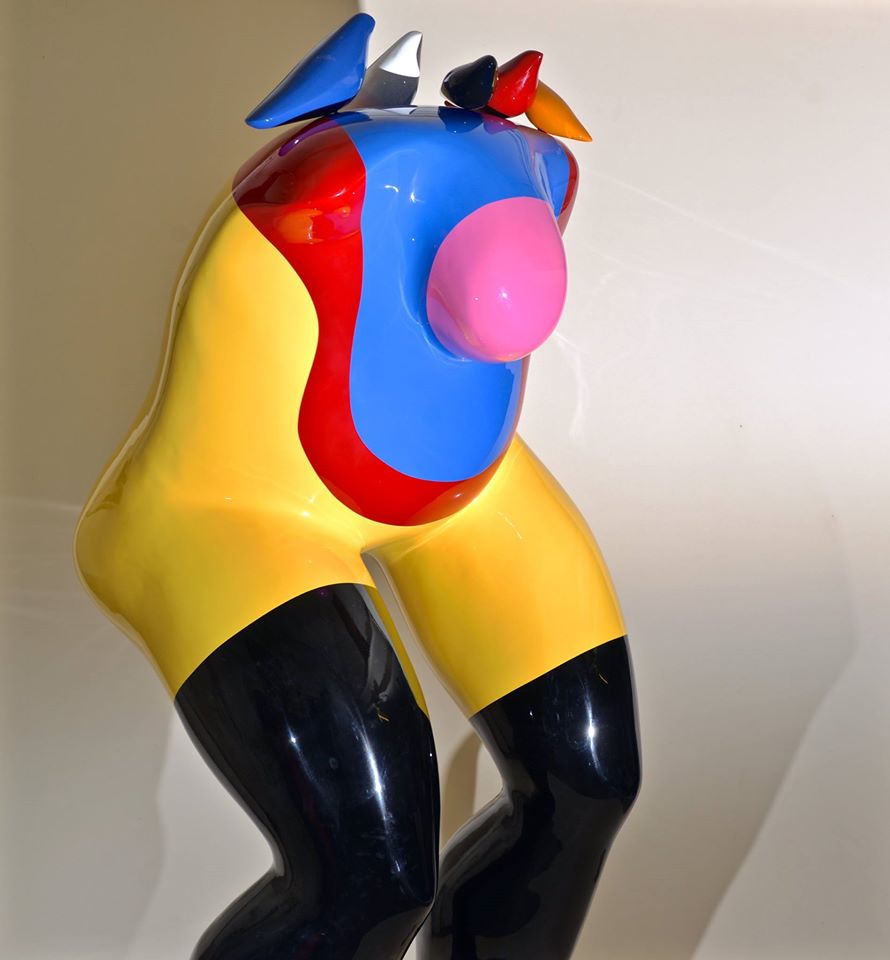
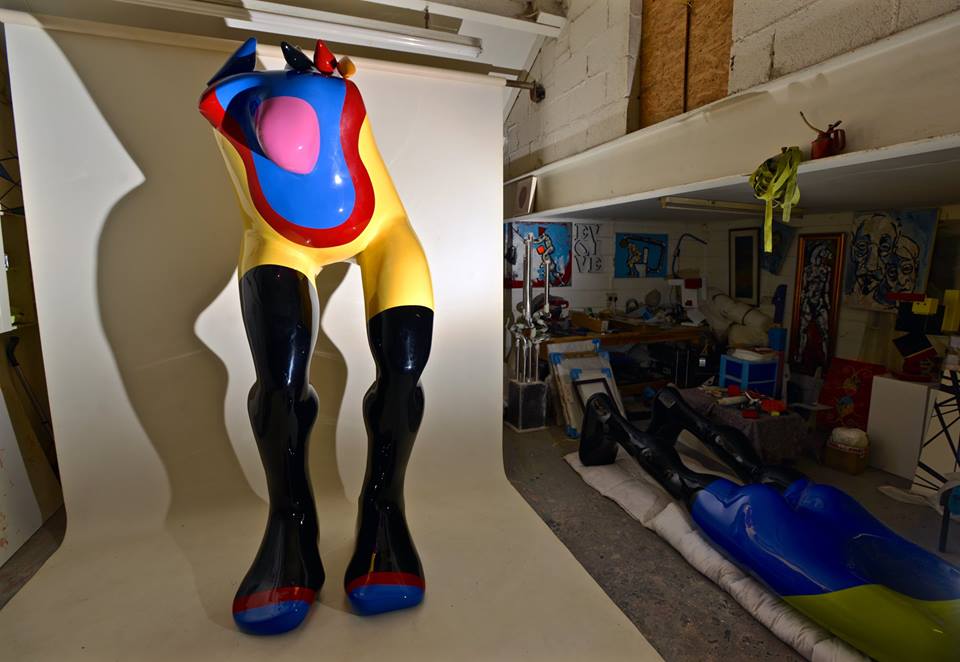
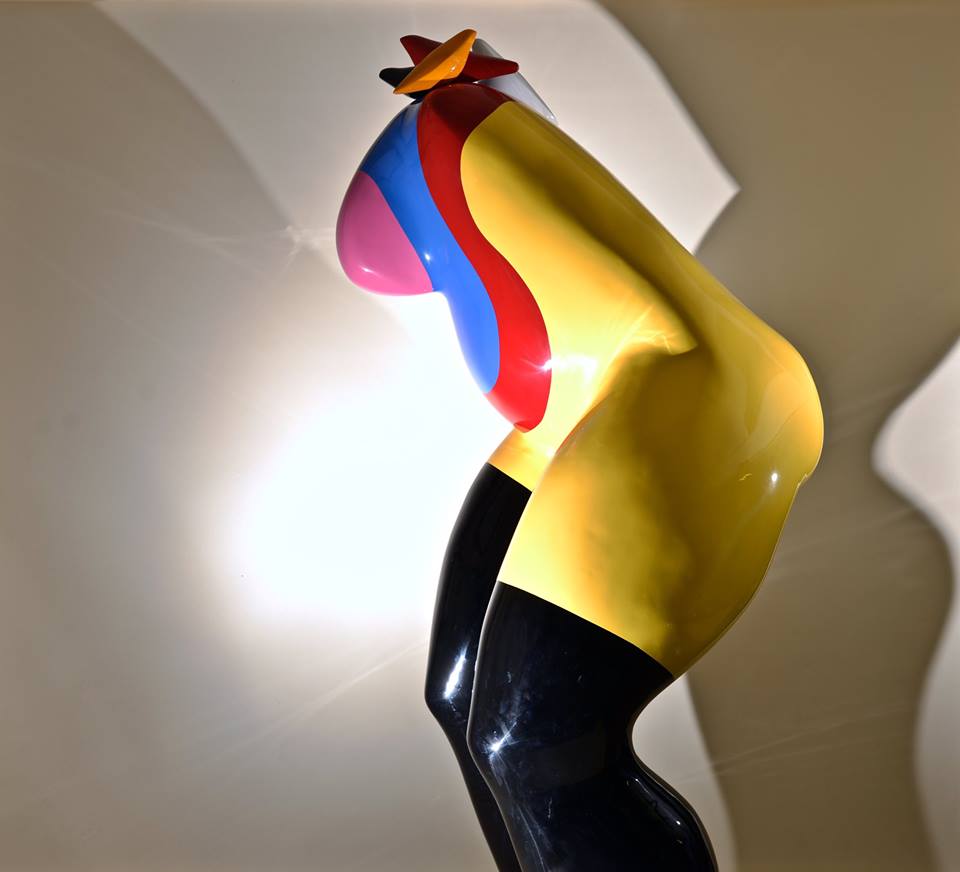
Atlas (2016) Sam Shendi

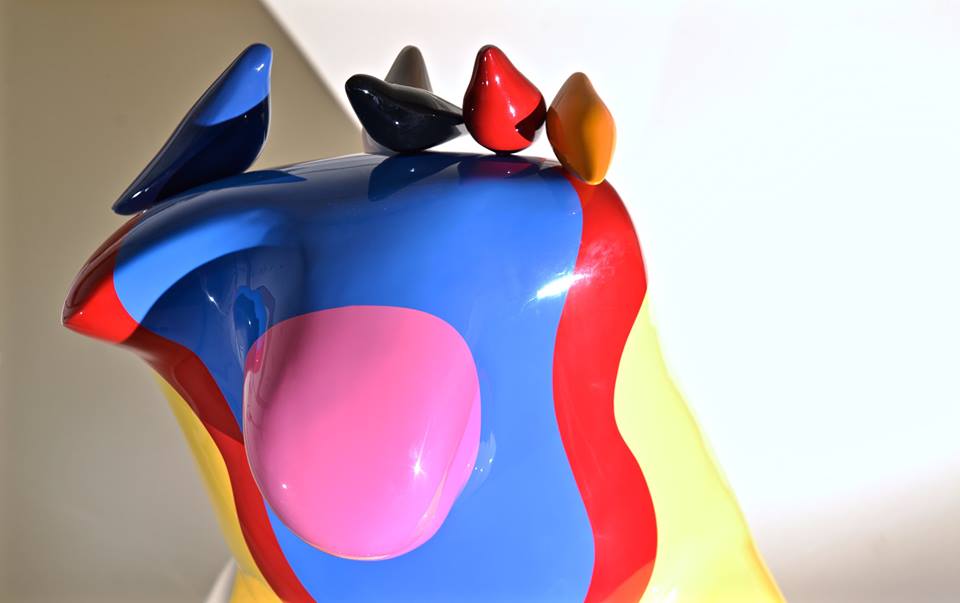
Here, in this contemporary version of Atlas, Shendi depicts the head bent forward but in an almost ironic twist we see across this titan’s shoulders a collection of birds.

This sculpture depicts the notion that today we carry a weight on our shoulders, which often isn’t as heavy as we might believe. Most of humanity share similar experiences and memories that can weigh us down. The use of colour in this piece represents memories and emotions. The figure here represents us, the birds our problems, which have become larger than the reality of them.

Birds perched together decreases the risk of predators and they usually choose places to roost, which are safe. The size of this giant hasn’t prevented the birds from staying. We associate ‘giants’ with the idea that they have power or a physical presence over us. In this case the birds are the more empowered presence. Just as we can sometimes not shake off our worries or the past, this giant man is unable to shake off the birds.

birds

“That great giant, Atlas, whose shoulders bear the circling sky.” Ovid, Metamorphoses 6. 172. Birds often circle the sky following migratory patterns using the sun to navigate by day and the stellar compass at night which depends on the constellations. So they have a need for this ‘Atlas god of astronomy and navigation.

So this piece is heavy in it’s symbolism, rich in its references to classical art and architecture and also brings to modern society a philosophical idea and message that sometimes we need to let go of the heavy burden which weighs us down. Especially here in the ‘western’ world where our problems by comparison should be fleeting.

Sculptures taking flight

I was driving the other day and saw a heron flying fairly high with great purpose away from the river running along my left side. It made me wonder where it was going, did it know where it was going?

Birds are featuring in the new Giant collection which my husband finished and already has taken down to London in one of his there and back in a day trips this weekend. On Friday they went to collect all the pieces from Doddington Hall in Lincoln and that was a full 12 hour day and then they were up at 4am to head down with these giants to Berkeley Square House. It took hours of driving and literally half an hour installation.  It would be great to see them flying through the air in hoists on helicopters like in Roald Dahl’s The BFG, that would save travel time! It’s great to get them straight out of the studio into a location though. These birds are not in flight though, they are perched on pieces which have great philosophy but before I get my head around the words, I will leave you to look at the images and decide for yourselves.

bwhisper
The Bird Whisperer (2016)
bird-whisperer
atlas-section Atlas (2016)
atlas
Photo Shoot at the studio
atlas-side
bsh In location
sculptures-at-bsh
At Berkeley Square House, Mayfair


bird-w-at-berkley

Finding butterflies

Overwhelmed, by seemingly everything at the moment is how I am feeling and yet I know I should be grateful that in so many ways my life is relatively straightforward. The summer holidays passed in a flash and whilst I was more mindful to enjoy the moments with the boys, I was still relieved some what to parcel them back to school this week. Although this gives me a little more time, the activities we are involved in and school work resuming seems it’s just one hectic life for another. I need to find my butterfly wings and aim for feeling less defeated.

The time with the boys has distracted and separated me from the world of art a little and I have missed a few scoops which occurred over the holidays with little time to blog. So here is one: We woke on August 3rd in the morning to receive several messages that my husband had coverage of his name and work on the morning breakfast show. His work got really good coverage and the weather reporter mentioned his name twice The reporter seemed to really like the butterflies and the colours of his work. Here is the best clip we got, doesn’t have it all but it was so exciting.

Defeated Butterflies in Doddington Hall, Lincoln. Coverage on BBC breakfast news.


An interview with…


…the art book guy, please find the original on link below and body of text in post. Not sure how to do this a better way.

http://artbookguy.com/sam-shendi-body-as-vessel_1173.html
the sculptor

SAM SHENDI: BODY AS VESSEL
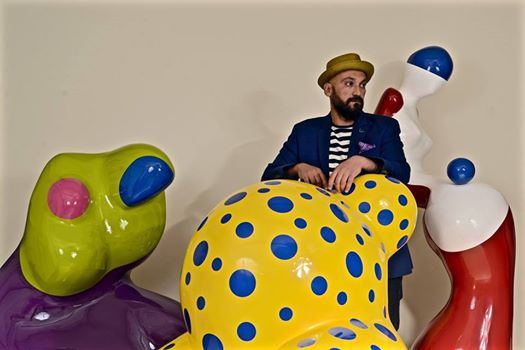
Sam Shendi is a brilliant sculptor who lives in the English countryside. Even though he resides in England which is rich in tradition, his work http://www.samshendi.co.uk/ is really a fun and fresh reinvention of his neoclassical training. In short, his work rocks. Take a look and enjoy our cool chat too …

“… As an artist, I am not searching for fame … I am not made for the contemporary art world. I am an artist for the people. It is important for me that my work lasts with people for the value of beauty instead of shock value …”

MICHAEL: Sam, I’m delighted to be chatting with you. Your work is so inventive and fun. First off, how did you get the idea to create this type of sculpture as opposed to traditional, neoclassical works?

SAM: Hi Michael, Thank you for the interview and my answer to the first question is – I think it’s a natural order. I was classically trained at University; we thoroughly studied the figure and human anatomy. After graduation, I tried to find my style and the purpose behind my sculptures. Moving from realism slowly over the past few years has made me see the human body as a vessel, not just as muscles, bones and skin, but beyond that. Since 2008, I started to experiment with focusing on the idea of the vessel and with less figurative details. What I achieve now is a combination of my background in classical sculptures and my point of view and philosophy towards my sculptures.

MICHAEL: Your work really centers on three elements for me: Form, color and delight. Let’s work our way through these. Which comes first in your mind? Form, color or delight?

SAM: Form is really important for me. Colour is an element I use to describe the emotion within the piece. For all of my sculptures, it is necessary to engage with the public beyond our differences in colour, education, class or even religion. So it is important for me to use my sculptures in a way that allows the majority of the people to connect to my sculpture and I think beauty in form and harmony in colours somehow brightens your soul. I guess this is what you are calling delight.

MICHAEL: Yes indeed. I notice that a good bit of your work seems shiny like a new car. It’s very contemporary. Is this part of your effort to appeal to people or is the shine part of the narrative of your works?

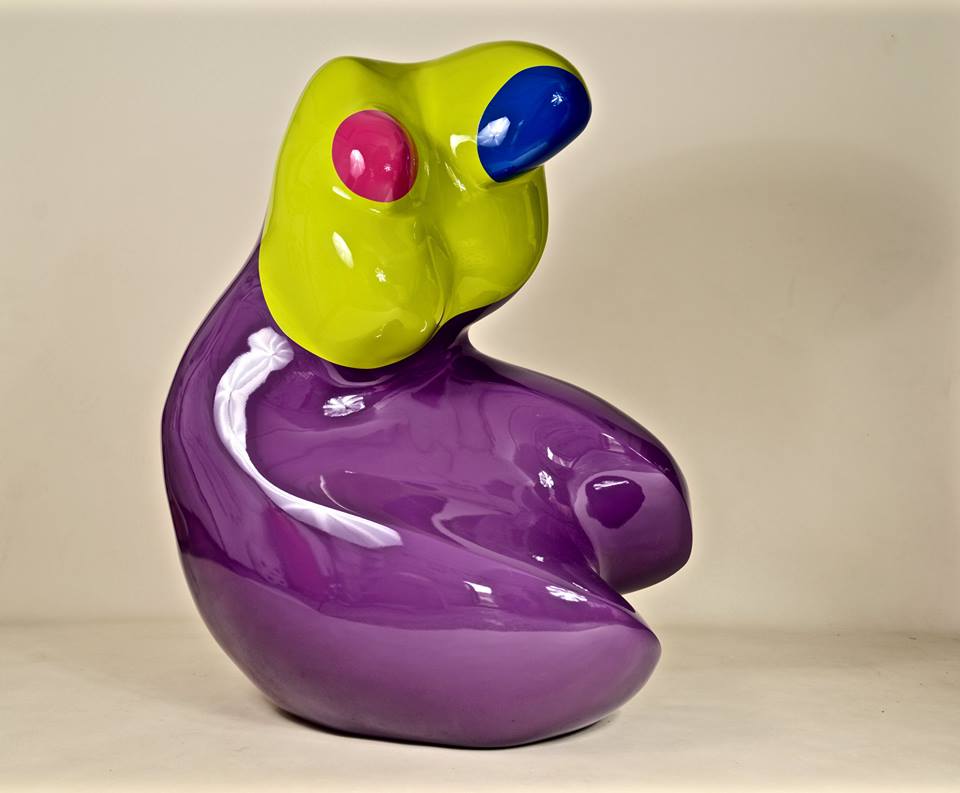
SAM: When I created my first collection, there were no colours, just bare stainless steel. Then I experimented with different types of paint. I felt every colour I experimented with didn’t give the satisfaction of the concept. That’s until I started to use wet paint with high gloss. This technique takes more work, but the result is always impressive to the viewer, especially since it has been done by hand. The high-gloss colour is as though I am adding life to my still sculptures. Without it, for me, it’s an object. The high gloss, the shine and the vibrancy of the colour for me, I feel as though they come alive.

MICHAEL: You know, we’re living during a time when people expect objects to do more than just “sit there.” They want things to move on their own or light up or make sounds. Do you feel pressure to make your sculptures more than just glossy, inanimate objects? Or is sculpture more about making people stand still and be in the moment?

SAM: To be totally honest, I don’t feel pressure of any kind. I create because I can. I don’t create for money, for pleasure or for the viewer even. Think of me like somebody writing a diary. Not for somebody to read it. But someone who writes well can make his diary become a sellable book even if that wasn’t the intention. I create because my ideas need to come out. I create because it reflects and records my own experience. The colour is not the main subject.

Sometimes, I paint the same sculpture a few times and I don’t know why. It’s a gut feeling. When I create something, it’s a feeling that fills me with satisfaction and I stick to that. Not what I think the people will be attracted to. I do think the high gloss is a signature of my work, but not just the colour, the paint but the high-quality finish overall. It’s used in a calculated way, but not with the intention to attract. I only think about the colour after the form is created, the colour is the completion. I am not using the colour to turn the heads of the viewer, but I deliberately select the colour because I can’t see it any other way.

People notice that the colour on my sculpture is not just an attraction, they can tell that there is a reason – that each colour has been chosen carefully for that location. I think this is what makes my work different from other sculptors who use colour.

MICHAEL: When did you first become aware of yourself as an artist? Do you come from an artistic family?

SAM: Since a young age, I was known to my family and the school by the high level of creativity I had. As a child, really you don’t know what being an artist is, but I was aware of the level of talent I had compared to others. Going to art school, I was planning to learn about art, but I never thought I would be an artist. Only recently, maybe in the last ten years, I found myself more involved in my practice. Suddenly, your memories start to make sense, from the past until now. I haven’t chosen to be an artist, but I have been chosen somehow.

MICHAEL: I understand.

SAM: I remember when I was younger being surrounded by paintings, flowers and birds. My dad painted them and he considered fine art, but I think in his time it was more important to secure a job and the talent faded with less practice and now he can’t paint anymore.

MICHAEL: So many people have artistic talent that they ignore and then find again later in life. How do you actually access or harness your talent? Do you meditate? Do you plan, write or sketch before you start something new? What’s your process?

SAM: Of course, many of us have an artistic talent, but being an artist is when the talent takes over your life and becomes the way of living. Nobody tells you that you are an artist, but sooner or later everything you see or you touch or that you think about is somehow different from the majority surrounding you.

I don’t need to harness my talent. Combining the vision and imagination that I have, there are no words which can describe what it is. I feel like I am a fish in an ocean, endless amounts of imagination to explore and so freely I can swim through it. Sometimes I sketch an idea, but the majority of the time, I start a sculpture without sketches – like my recent collection. Over the last 12 months, I have made 10 sculptures – none of which started by a sketch. They are all spontaneous, like the sculpture has been there in the medium I am using, I am just freeing it, releasing it if you like, from the material I am using.

MICHAEL: I love the way you play with the human form and pair it with other things. It’s really fresh and fun. What’s the inspiration behind this?

SAM: At the time of University, there were two main subjects I focused on during the five-year course: Realism and Architecture. A few years ago, I was affected by Minimalism and geometric design, but I always felt that it was empty of emotion. Perhaps I connected with it visually, but not emotionally. In this particular collection you are asking about, I tried to combine two movements together, marrying architectural and minimalistic design with realistic human parts. It’s really important for combining these two movements together that there is harmony between the two objects that you use. I think I’m trying to combine old and new with a futuristic and contemporary visual. There are endless ideas that can come from this.

MICHAEL: Your work is indeed very architectural. Aren’t you in London? How does the architecture there inspire you?

SAM: I don’t live in London. I live in the north of England in the Yorkshire Dales, surrounded by green fields and hills. Houses go back 200 even 600 years old. Architecture for me is the harmony between vertical and horizontal. I’m more fascinated by the contemporary modern design of architecture which isn’t what I see on a daily basis. So the architecture isn’t what inspires me. It’s the person who made it and his vision.

MICHAEL: Sam, most poor and middle class people don’t buy art. Are there enough well-to-do people out there buying sculpture? Most people don’t have the physical space for sculpture, let alone the money. What can we do to make sculpture more accessible and affordable to everyone?

SAM: Looking to the past, art has always been not affordable for everyone. This is why having museums and art galleries allow the majority of people to engage with art. I don’t create thinking about how much I can get for my sculpture or which collector will get my piece. I consider myself a public artist/sculptor and I work toward my work being in public places for everyone to enjoy and more people can see it. Instead of an individual that has a piece as a part of the interior design of a house, hence I create large pieces, not thinking about the constriction of where the piece will be located afterward.

If you speak about commercial art, nearly every house in this world, even the poorest will have some sort of artistic object within it as part of the house furniture. Art that has changed the face of humanity, that’s been on display in museums and that’s part of history – this is the type of art that can’t and shouldn’t be affordable for anybody. It’s educational. It should be exposed to everybody beyond class or education.

MICHAEL: Very interesting. Lots of people are suspicious of contemporary art because they see things like gold-plated human waste and it’s called art. What do you think about this? Do people need to see other things as art or is art sometimes a scam?

SAM: You can’t blame the person who created this kind of art, but you can blame the society that praises it. At the end of the day, good, quality art will always be remembered by many. People need to understand that if you see human waste in a glass cube with dead fly on a white plinth in a museum, I will guarantee for you many people will talk about it. I am certain the museum wouldn’t put a piece without a philosophical background to it.

However, when you say “Art,” the first thing we think of should be beauty. But what we see now is the unlimited, unrestricted freedom of expression in our modern society. If you talk to the ordinary person in the street, one who has lost faith in contemporary art because everywhere he looks, he finds no emotion, no engagement and no depth, they still have an understanding of scale. If I bring two pieces of art works by two different artists together for a portrait for example, the viewer will always be able to tell who has the greater skill.

MICHAEL: Yes.

SAM: This tells you that beauty is not in the eye of the beholder when it comes to art, but that talent and skill are recognizable, built within us. This value which we are born with is not going to change.

Contemporary art is chosen by people in the art world. Art today is a reflection of everything around us. What is around us, hatred, war, greed, money, fame and I guess human waste. So perhaps it is a perfect way to present it.

My own opinion, if you are asking is … In 2006, I recognized that only un-formed art and shock value art are taking the art scene’s attention at the moment. As an artist, I am not searching for fame or to follow the contemporary art world to achieve something quick. I am not made for the contemporary art world. I am an artist for the people. It is important for me that my work lasts with people for the value of beauty instead of shock value. Since that day, I stopped going to museums, exhibitions or meeting other artists if I can help it, giving opinions or even reading books about art, because at the moment, there’s a new generation born that believes that a whistle and a fluorescent light are art.

MICHAEL: Wow. Very interesting. What is it about sculpture that makes people always want to touch it? I often want to touch the works I see, but obviously I never do. Needless to say, if everyone touches sculptural works, they’ll be destroyed in no time.

SAM: Sculpture because of the three-dimensional form, it’s the touch that enables you to recognize it, blindfolded, if that makes sense. Human beings are in need of touch, this is what makes the connection more than just visual. You can’t ask a child, why do you want to hug your dad? And I doubt that you would want to touch a sculpture that’s not visually appealing to you.

I don’t mind people touching my sculptures gently. If it disappeared over the years from that, I’d be happy that many people engaged with it. You need to understand that people make art valuable, not the art itself. Without people there is no art.

MICHAEL: Indeed.

SAM: Art work is not valuable to a true artist, the viewer is what is important, however the viewer does needs respect the art.

MICHAEL: Do you work every day? What’s a typical day like for you?

SAM: I work all the time! I am not a full-time artist. I work as a designer through the day which funds my sculptures. I work in the studio from the afternoon until early evening. This is my usual six days a week. On Sunday, I don’t work as a designer, but I’m in the studio from lunch time until late afternoon.

MICHAEL: Wow. What’s the difference between design and artistry? Of course, design is more about products, but what’s the difference for you?

SAM: Working as a designer, you are limited by the client’s wishes and the material you are using. Plus it’s a job, to earn money. In art, design is part of the process from imagining it to bringing it into fruition. However, when you think of art there are no boundaries, no limits and you don’t create it for money or for a client.

MICHAEL: What do you think about the contemporary art world and art market and how they function? Do you feel part of them or separate from them? Do you understand how they work?

SAM: When you use the phrase, “contemporary art world,” it’s exactly like using the phrases stock market and Wall Street. It’s a business. Collectors shape the movement of contemporary art and like any business, they sometimes succeed, sometimes they go bankrupt. The existence of this market and this world labeled “contemporary art” doesn’t exist and would never exist without artists.

I’m not part of anything. I’m part of my time and like any artist before me, you work, you get exposed, you get discovered and somehow they may speak of you in books etc., and then you are part of this contemporary art world. But a true artist creates for no more purpose than the idea of creativity and expressing themselves. This is the way that I live my life.
I don’t need to try to understand contemporary art, but I believe that every idea out there based on good presentation deserves respect whatever shape it takes.

MICHAEL: Finally Sam, what do you want people to take away when they’ve seen your work? Does your work have a message?

SAM: Every sculpture of mine has some sort of hidden message – more for adults than children. I don’t know really what I want people to take away from my work, but perhaps visual engagement or discovering the message within. I think the most important thing is that I need to be remembered in a way that I reflected the time that I lived in and to be an inspiration to others. My work is all inspired by people, I guess I want people to be able to see themselves in my work or maybe that they like it, but they don’t know why.

MICHAEL: Excellent. Thanks Sam. I think I see the secret messages in your works. Best wishes.

SAM: Thanks Michael for this opportunity.

Check out Sam Shendi at http://www.samshendi.co.uk/.

ArtBookGuy™ – ART FOR ALL PEOPLE® – A COLLECTOR’S JOURNAL® – WE TALK CONTEMPORARY ART™

“Art For All People” is an ArtBookGuy registered trademark that means: Art is created by all kinds of people for all kinds of people. Art is always open for everyone and encourages us to observe, create, discuss and take action to move society forward.

“We Talk Contemporary Art” means that we demystify contemporary art and make it more friendly for you. Talking about art leads to a greater understanding of it. We all have something valuable to contribute to conversations about art and everyone is included. Discussion, engagement, enlightenment, enjoyment and action are our primary functions.

Michael K. Corbin – Owner/Editor/Administrator ©2009-2016 All rights reserved.